

Reach out with a hot cross bun
Would your parish like a pack of Easter cards explaining the symbolism of the hot cross bun, with a simple retelling of the Easter story, to give out in schools and at services in holy week?

The Communications unit for the diocese of Exeter have designed a card which parishes can order free of charge, and then hand out complete with their own, real, hot cross buns. It aims to help adults and children who have little to do with Church connect with the message of Good Friday, and Easter.
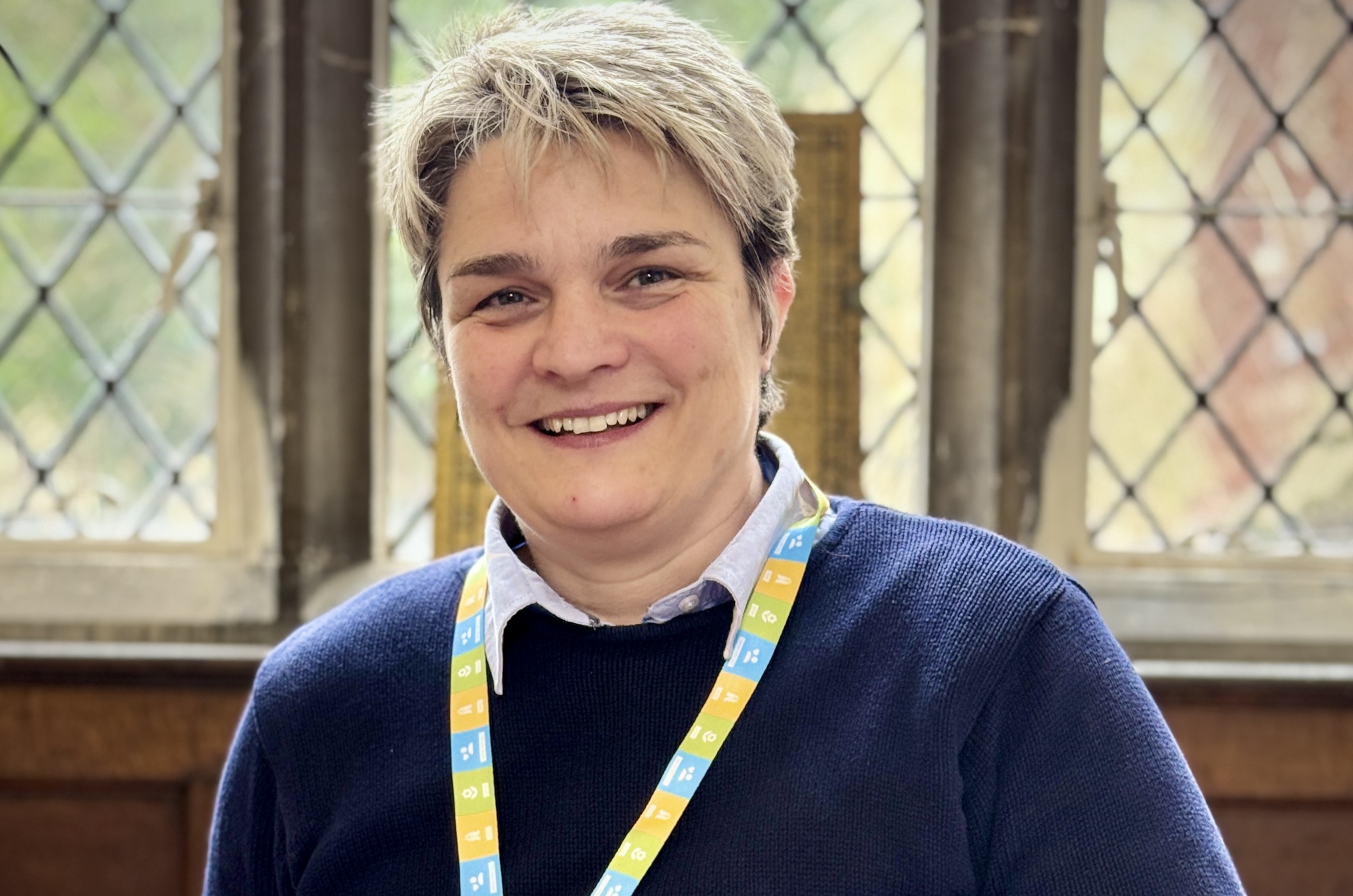
The Bishop of Crediton will be handing out cards and buns in Exeter city centre on Good Friday.
You can order as many cards as you feel you can give away but we need to know how many you want and for which parish by 10 March. Please email your details to rebecca.paveley@exeter.anglican.org and we will have the cards printed. Where possible, we will ask people to collect their cards from the Old Deanery before Holy Week.
More resources on the hot cross bun for use in schools, at homes and in churches are available on this website
An easy hot cross bun recipe:
Ingredients
FOR THE BUNS
500g pack white bread mix
2 heaped tsp mixed spice
50g butter , chopped
50g golden caster sugar
50g mixed peel
85g currants
100ml milk
1 large egg
FOR THE CROSSES AND THE GLAZES
3 tbsp plain flour
golden syrup, for brushing
Method
1. Heat oven to 220C/fan 200C/gas 7. Tip the bread mix into a bowl and stir in spice and sugar. Rub in the butter with your fingertips. Stir in the peel and currants.
2. Pour 100ml/4fl oz water onto the milk, then beat in the egg and pour into the dried ingredients. Mix to a very moist dough (the wetter the better). Leave for 5 mins then cut in to 10 equal pieces and roughly shape into buns with oiled hands (this helps to stop the mixture sticking too much). Even though the mixture is very moist, try not to use extra flour as it will toughen the dough.
3. Space the buns apart on 2 greased baking sheets, cover loosely with cling film, then leave in a warm room until about half again in size. This will take anything from 45 mins to 1 hr 15 mins, depending on how warm and moist the environment is.
4. When the buns are risen, make the crosses. Mix the flour with 2½ tbsp water to make a paste. Pour into a plastic food bag and make a tiny nick in one of the corners. Pipe crosses on each bun. Bake for 12-15 mins until risen and golden. Trim the excess cross mixture and brush with golden syrup. They'll keep fresh for a day, and after that are best toasted.
Hot Cross bun prayers
As you stir the mixture: Thank you Jesus that you came into the world and stirred things up so that people thought about what really mattered.
As you lay the cross on top of the bun: Thank you Jesus for coming to save us by dying on a cross and taking the punishment for the bad things I do.
As they go in the oven: Thank you that, although you were buried in a tomb, you rose three days later and you are still alive today.
As you eat a hot cross bun: Thank you Lord Jesus for giving me all I need to live a life following you. Amen.
Thank you Jesus for the fun we have had making these hot cross buns.
Thank you that this cross reminds me of the cross that you died on.
Thank you for taking the punishment for the bad things I have done.
Thank you that you promise to be with me now and forever. Amen.
History of the Hot Cross bun
The origins of this very English custom are not entirely clear. Tthe earliest historical mention of them is traced to a 12th century English monk who is said to have marked buns with the sign of the cross in honor of Good Friday. A 14th century record tells how a monk of St. Albans distributed spiced cakes to the needy on Good Friday, inaugurating an annual tradition, though he carefully guarded his recipe.
Whatever their origins, there were certainly ideas associated with these buns that some would regard as superstitions. Hot cross buns were eaten after sundown to break the Good Friday fast. In the Middle Ages, they were believed to have powers of protection and healing. People would hang a hot cross bun from the rafters of their homes for protection through the coming year. And if someone was sick, some of the dried bun would be ground into powder and mixed with water for the sick person to drink.
In the reign of Elizabeth I, when Roman Catholicism was banned, making the sign of the cross on the buns was regarded as popery and the practice was banned. But neither Church nor State could suppress the popular custom, so legislation was enacted to limit consumption of hot cross buns to legitimate religious occasions such as Christmas, Easter, and funerals. The familiar nursery rhyme, "Hot cross buns," derives from the call of the street vendors who sold them.
There are various recipes for the buns, but an authentic recipe should include currants and a cross either incised on the top of the buns or painted on with a sweet glaze.
The Hot Cross bun rhyme:
Hot cross buns!
Hot cross buns!
One a penny, two a penny,
Hot cross buns!
Hot cross buns!
Hot cross buns!
If you haven't any daughters,
Give them to your sons!
One a penny, two a penny,
Hot cross buns!
Hot cross buns!
Hot cross buns!
If you haven't got a penny
A ha'penny will do.
If you haven't got a ha'penny,
Well God bless you.